
Find All the Numbers


Find All the Numbers: A Game of Observation and Number Puzzles
Find All the Numbers combines number searching, matching puzzles, and short mental challenges. Its chalkboard presentation gives the game a classroom feel, while several modes provide different ways to play. You can search for numbers in sequence, practise in Warm-Up, tackle Hard Mode, clear matching pairs in Seeds, or work through the Daily Tasks. Each activity encourages a different approach, from quick visual scanning to careful calculation.
Normal Mode
Normal Mode introduces the main number-searching challenge. The playing field contains 90 numbers, and your task is to find the current target on the board before moving on to the next number. The objective is easy to understand, but finding a small target among many competing numbers takes concentration. Numbers appear across a busy chalkboard, so you need to look carefully instead of simply tapping the first familiar shape you notice.
The target display is your main guide throughout the round. Check it whenever you are unsure what comes next, then return your attention to the board. Recognising a number elsewhere on the screen does not necessarily make it the correct choice. What matters is finding the number the game currently requests. Following that sequence keeps the challenge focused and gives every successful selection a clear purpose.
Time adds a competitive element to the search. The game encourages you to find all the numbers as quickly as possible, making each completed attempt an opportunity to improve your performance. However, rushing without a plan can make the board feel more confusing. A steady search pattern often works better than repeatedly jumping between unrelated areas. Try scanning across the top, working downward, or dividing the board into smaller sections.
Another useful habit is remembering where upcoming numbers are located. While searching for the current target, you may notice several numbers you will need later. Keeping a rough idea of their positions can help you maintain momentum. You do not need to memorise the entire board; even remembering one or two useful locations can make the next part of the round feel smoother.
Normal Mode is a sensible starting point for learning the controls and understanding the game’s visual layout. It also works well as a repeatable challenge once the instructions become familiar. Set yourself a manageable goal, such as finishing with fewer pauses or searching more methodically, before concentrating entirely on speed.
- Check the target before selecting a number.
- Use a consistent scanning pattern across the board.
- Remember useful number locations as you notice them.
- Aim for a clean, steady round before chasing a faster completion time.
Hard Mode
Hard Mode offers another difficulty option for players who already understand the main number-searching activity. The central task remains recognising the requested target and finding it on the playing field. Choosing this setting gives you a reason to revisit the familiar idea with greater attention. It is a natural next step after you can follow the target sequence comfortably in Normal Mode.
The most useful preparation is understanding your own searching habits. Some players look at the whole board at once, while others work through small sections. When a search becomes demanding, an organised method can help prevent repeated checking of the same places. Choose a starting area, scan it carefully, and move on when you have covered it. If the target remains hidden, repeat the search with a fresh starting point.
Accuracy deserves particular attention when you are trying to improve a difficult run. Similar-looking numbers can tempt you into reacting before you have fully identified them. Give yourself enough time to read the complete number, especially when several digits occupy nearby spaces. A brief moment of confirmation can be more useful than an uncertain tap that interrupts your concentration.
The timer provides a way to assess your progress, but it does not have to dominate every attempt. Your first goal can simply be completing the search while staying comfortable with the pace. Later, you can focus on reducing hesitation between targets. Comparing your own attempts is more helpful when you also consider how you played: a consistent search routine gives you something specific to refine.
If you become stuck, pause your visual search for a moment and check the target again. Players sometimes continue looking with an incorrect number in mind after moving quickly through a sequence. Reconfirming the target gives your next scan a clear direction. Looking at a different section of the board can also help you break out of an unproductive pattern.
Hard Mode suits players who enjoy returning to a straightforward task and improving their execution. The appeal comes from paying closer attention, maintaining a rhythm, and learning to search efficiently. Alternate it with Normal Mode when you want to compare how confidently you handle the two difficulty settings.
- Become familiar with the basic search before choosing Hard Mode.
- Read each number completely before tapping.
- Recheck the target whenever your search loses direction.
- Measure progress through consistency as well as completion time.
Warm-Up Mode
Warm-Up provides a practice option within the game’s number-searching activities. It is a useful place to begin a session, reacquaint yourself with the controls, or settle into the chalkboard layout before choosing another mode. Approach it as an opportunity to become comfortable with recognising targets and selecting numbers deliberately. You can concentrate on how you search without making every attempt a personal record challenge.
Start by paying attention to the relationship between the target display and the playing field. Look at the requested number, find it, and confirm the next target before continuing. Repeating this simple routine helps you establish a dependable playing rhythm. The aim is to make the transition between reading, searching, and selecting feel natural rather than hurried.
Warm-Up is also a good setting for experimenting with different search methods. You might begin at the upper-left side of the board and move across it in rows. Alternatively, divide the screen into broad areas and inspect each one in turn. Neither approach needs to be rigid. The important question is whether your chosen method helps you avoid overlooking parts of the board or repeatedly scanning the same area.
Try noticing how number size, position, and nearby shapes influence your attention. A large number may catch your eye immediately, while another target can remain difficult to spot because you keep looking past it. Recognising that tendency can help you adjust your search. Slow down around areas you usually skim and make sure you are reading the digits rather than responding only to their outline.
You can give each practice session a small purpose. One attempt might focus on checking the target carefully. Another could concentrate on maintaining an orderly scan. A third could encourage you to remember the locations of numbers you encounter along the way. These goals give practice some structure without requiring you to improve every aspect of your play at once.
Warm-Up works well between more demanding activities, too. After a difficult number search or a round of matching puzzles, returning to a familiar task can help you reset your approach. Use it for a short introduction, a little extra practice, or a comfortable return after time away from the game.
- Practise the sequence of reading, searching, and selecting.
- Experiment with scanning methods to find one that suits you.
- Choose one small improvement to focus on during each attempt.
- Move to Normal or Hard Mode when you feel ready for another challenge.
Seeds Mode
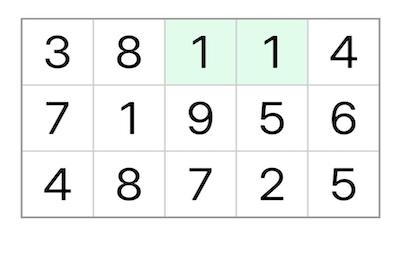
Seeds changes the activity from searching for targets to clearing a board through number matching. Also known as Numbers or 19, this puzzle asks you to cross out all the digits. You remove numbers in pairs according to their values and positions. Two matching digits can form a pair, and two different digits can also be removed when their total equals 10.
Position matters just as much as arithmetic. Eligible numbers must be next to one another horizontally or vertically under the game’s matching rules. The instructions also allow the final number in one row to pair with the first number in the following row when their values match or add up to 10. This connection between rows is easy to overlook, so remember to inspect it before deciding that no moves remain.
Crossed-out numbers no longer count as you continue playing. That makes the board change with every successful move. A pair that initially seemed separated may become relevant after other numbers have been removed. Instead of treating each match as an isolated action, look again at the surrounding numbers and consider what your last move has made possible.
The classic starting arrangement uses the numbers from 1 to 19, excluding 10, written in sequence. The game also offers a way to mix the arrangement. Whether the opening looks orderly or less familiar, the same basic matching principles apply. Recognising equal digits is only half the task; you should also keep checking combinations such as 1 and 9, 2 and 8, or 4 and 6.
When you cannot find another move, the Add Numbers button lets you continue. The remaining uncrossed digits are copied below the existing arrangement, creating additional opportunities to form pairs. Before using it, inspect the board carefully. Checking horizontal matches, vertical matches, and row connections can help you discover a move you initially missed.
Seeds rewards patient observation and repeated reassessment. Clearing an obvious pair can be satisfying, but the larger objective is removing every digit. Take time to understand how the remaining numbers relate to one another, especially as gaps develop. It offers a different pace from the main search modes and suits players who enjoy working through a puzzle one decision at a time.
- Match identical digits or two digits that total 10.
- Check horizontal, vertical, and permitted row-to-row connections.
- Reassess the board after removing each pair.
- Use Add Numbers when no available matches remain.
Daily Tasks
Daily Tasks brings several short activities together into a varied challenge. Instead of concentrating entirely on finding numbers, you move through tasks involving counting, word memory, and arithmetic. This makes the mode a useful choice when you want to switch between different kinds of puzzles. Each stage introduces its own instructions, so take a moment to read the screen before beginning.
One activity asks you to count aloud from 1 to 120 as quickly as possible. The game provides a timer for the exercise, letting you see how long your attempt takes. The instruction is simple, but maintaining an orderly sequence while increasing your pace requires attention. Keep the numbers clear and consistent rather than trying to speak so quickly that you lose your place.
Another activity focuses on remembering words. You have 30 seconds to study a group of words before identifying them in a new list. This changes the challenge from recognising what is currently visible to recalling what appeared earlier. During the study period, try reading each word carefully and connecting a few of them through a simple imagined scene. When the new list appears, select words you actually remember rather than choosing ones that merely seem familiar.
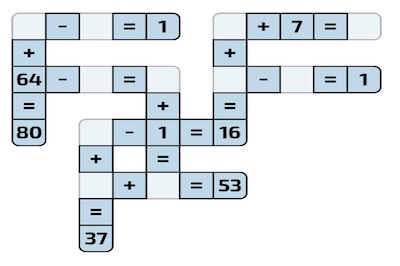
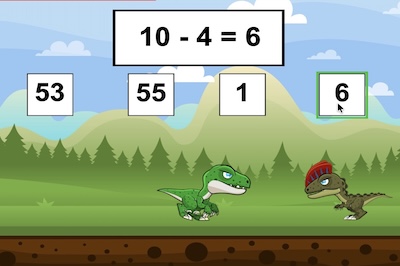
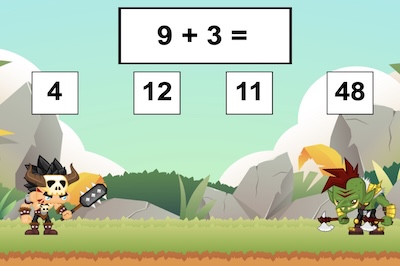
The arithmetic stages introduce questions and selectable answers. Here, the useful habit is to work out the result before looking for a matching choice. Answer options can distract you if you begin guessing immediately. Read the whole expression, identify the operation, and calculate carefully. A later activity also involves symbols and an operation hint, so understanding the displayed explanation matters before you begin answering.
Daily Tasks includes stage results and an overall completion flow, giving the activities a clear beginning and end. Treat the results as feedback on that particular attempt. You may feel comfortable with counting but need more time on word recall, or find arithmetic easier than remembering a list. That variety is part of the mode’s appeal: success depends on adapting your approach as the task changes.
This mode fits players who prefer a mixed session over repeating one puzzle continuously. You can work through the activities, review the results, and return later for another attempt. Focus on following each stage’s instructions and building a comfortable rhythm rather than carrying the same strategy into every exercise.
- Count aloud from 1 to 120 while following the timer.
- Study words for 30 seconds, then identify them in another list.
- Calculate arithmetic answers before selecting an option.
- Read symbol hints carefully when the activity introduces them.